E-commerce & Brands
Stores and brand sites that sell
A store is not a catalogue. It is a sequence of small decisions, and most stores lose people at the same three or four points. Meanwhile a brand with real reach and no owned home is renting its entire audience from a platform that can change the rules whenever it likes.
How this buyer actually decides
Product first, trust second, friction last. People arrive on a product, decide whether the business looks real, and then abandon at whatever the first unnecessary obstacle turns out to be.
Where the job gets lost
- A default theme that makes good products look like a drop-shipping operation
- Product pages missing the one detail that decides the purchase, usually sizing, shipping or lead time
- Collections that do not match how customers actually shop the category
- A large social audience pointing at a platform profile rather than anything you own
What we put in place
- A store designed around the actual catalogue instead of a theme you bent to fit
- Product pages that answer the abandoning question before it gets asked
- An owned home for the audience, so a platform change is an inconvenience rather than an extinction
- Content and search work, because paid traffic to a weak store is how people lose money quickly
Work we have done in e-commerce & brands
Real builds, not mockups made for this page.
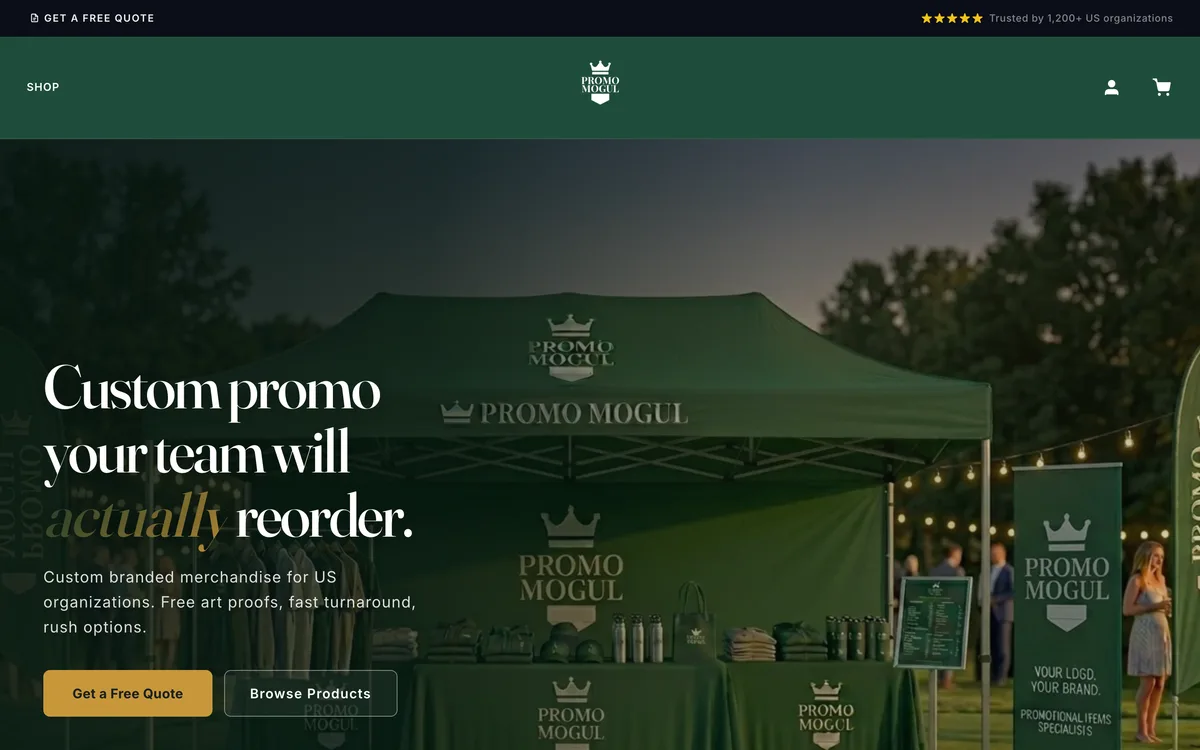
E-commerce Store
Promotional products
A Shopify store built for a custom promotional products business serving US organizations nationwide.
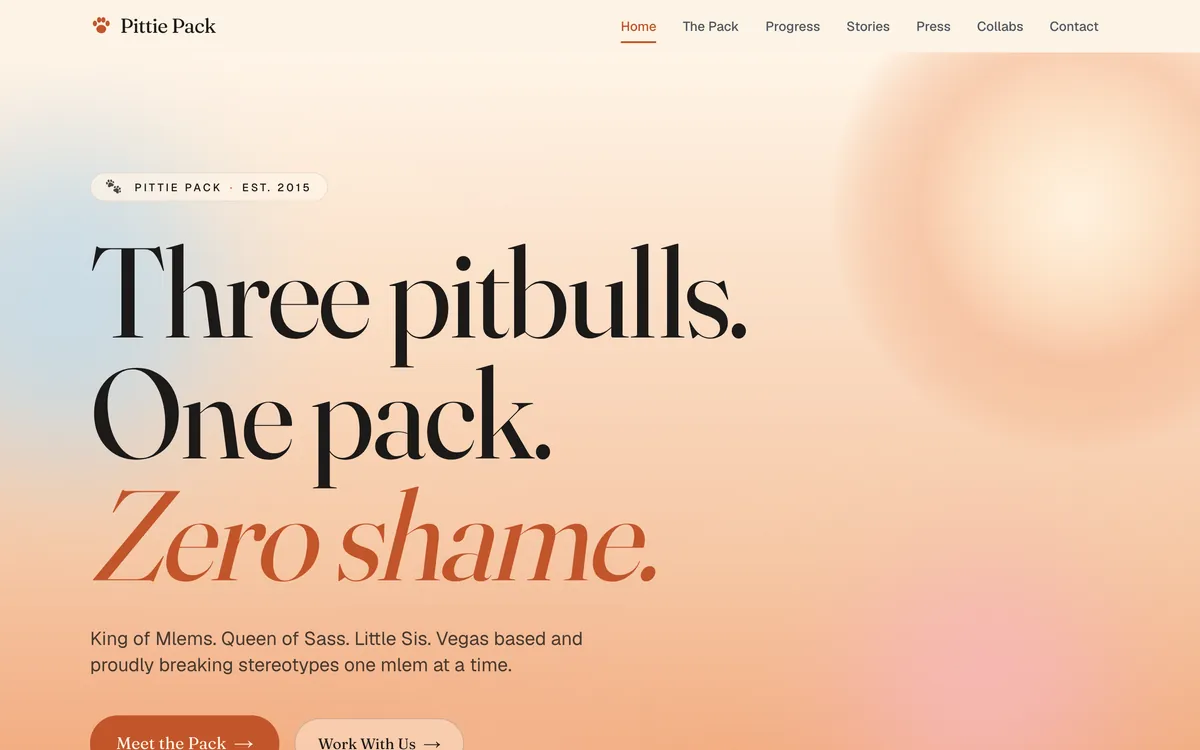
Brand Site
Brand
A characterful brand site with editorial type and a confident point of view.
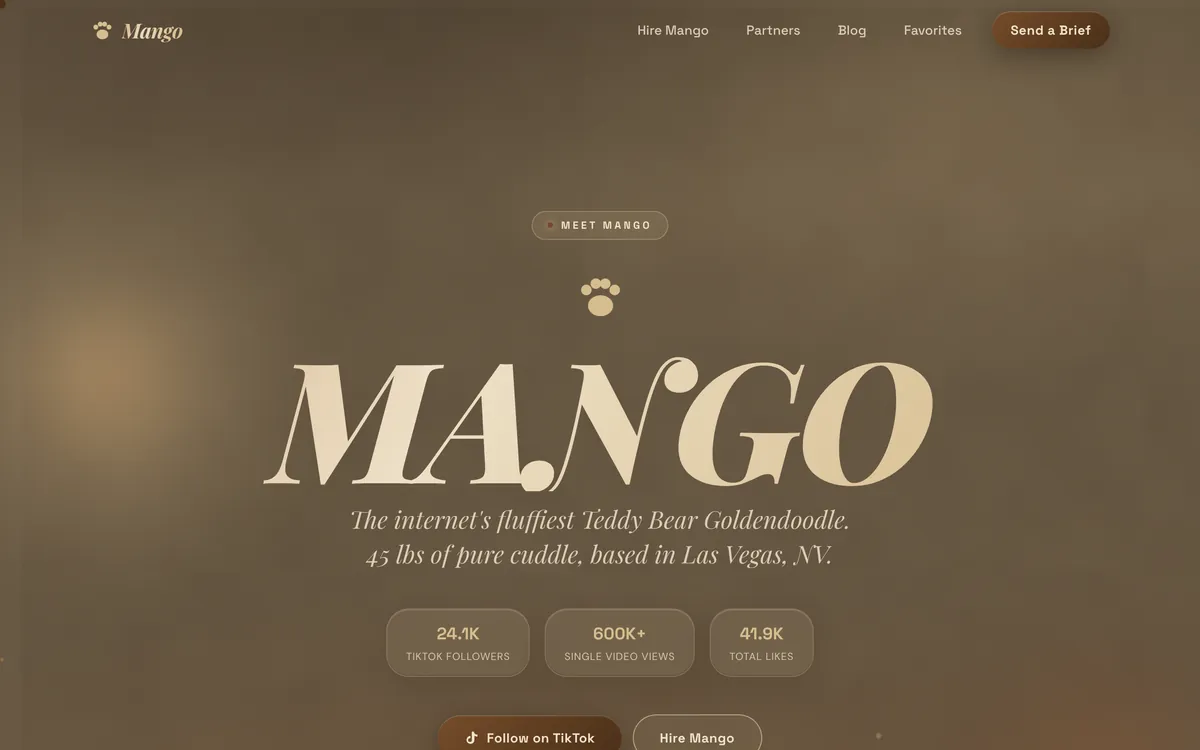
Creator Brand
Creator brand
A creator brand site built for a Goldendoodle with a massive social following.
What we usually recommend here
The Everything package
Commerce and brand businesses live on publishing cadence, so the posting and content side is doing as much work as the store itself.